
The Website Is the Easy Part. Connecting the Whole Organization Is Hard.
A builder’s view of the work behind the front door: local control, clear permission, and one useful step at a time.
Most people will look at this project and see a new website. They are not wrong. But the website is the easy part.
The hard part is connecting the chapters, lists, permissions, volunteers, campaigns, and people behind it without damaging the trust that makes the organization work.
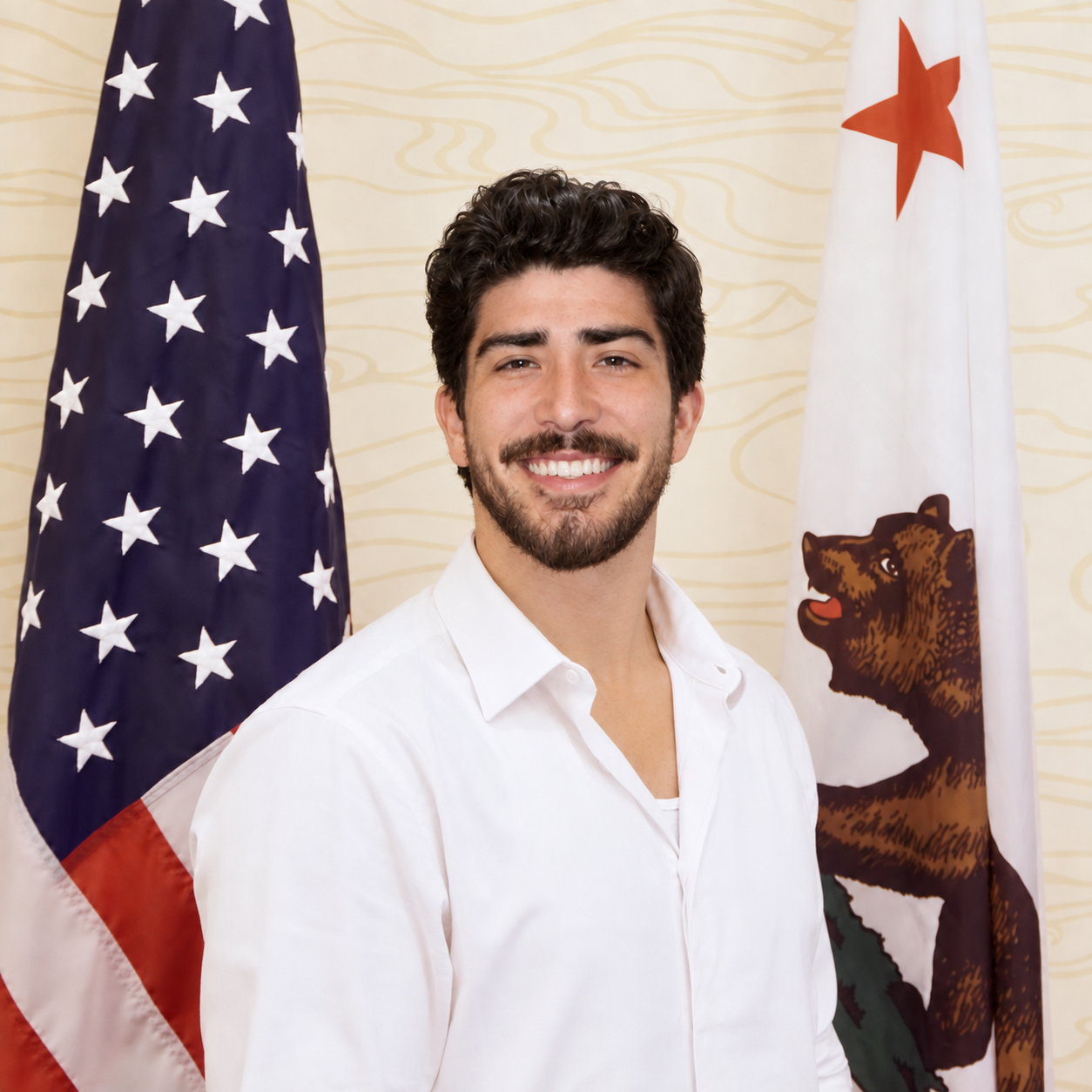
I’m Tim Yslava. I come from a family service business, where I have spent years connecting real work, real people, and real information. That is the experience I am bringing to the California Young Republican Federation’s website work and the larger statewide infrastructure vision.
The website is public now. As of October 19, CAYRF has approved the statewide infrastructure roadmap. The connected statewide database, chapter integrations, campaign tools, and AI workflows described here still require implementation and verification. Approval establishes direction; these planned capabilities are not live yet.
Start with the organization, not the software
The California Young Republican Federation serves Republicans ages 18–40. Its work includes local chapters, leadership development, voter registration, candidate endorsements, and getting voters to the polls. Our About page explains the organization, and the chapter directory helps people find a place to start.
The published directory lists 17 local or regional chapters. California has 58 counties. Those are different things. A website can help someone anywhere in California look for a connection without pretending there is an active chapter in every county.
CAYRF already has direct access to membership at the state level. The opportunity is to connect that existing foundation with participating chapters’ information and day-to-day work. It is not the organization’s first access to membership.
A good front door needs somewhere to lead
My website work is about making the first step easier: understand the organization, find the right club, express interest, discover events, and learn how to volunteer. Those are useful improvements. They do not, by themselves, build a statewide operating system.
Imagine someone saying, “I want to help.” That is a hypothetical example, not a member story. The next useful step might be a local meeting, a volunteer shift, or a conversation with a chapter officer. A signup that never reaches the right person has not finished its job.
Now scale that handoff across a state. Different chapters may use different websites, lists, and tools. Before anyone sends a statewide message, somebody must establish who controls the information, what people agreed to receive, who approves the message, and who presses send.
One giant list is the wrong answer
Collecting everything in one spreadsheet would make the information look organized. It would not answer any of those questions. A bigger list can create bigger problems if nobody can explain where the records came from or who may use them.
The goal is shared standards, local control, statewide coordination, clear permission, and a record of what happened. Chapters should be able to keep useful existing tools if those tools can connect under agreed rules. We do not need identical software everywhere to make the organization work together.
The shared record should contain only what the approved process needs: identity, location, chapter connection, membership status, interests, participation, and communication choices. More information is not automatically more useful. Each field needs a purpose, a responsible owner, and a way to correct it.
One person can show up in five lists
Someone might sign up through a chapter, the state website, an event, a campaign, and a newsletter. They might use a work email in one place and a personal email in another. They might move or change chapters. Names alone will not settle every match.
The system would need to recognize possible duplicates without combining two different people. A confident mistake could attach one person’s communication choices or volunteer history to someone else. That is more serious than a messy spreadsheet.
AI could flag possible matches. A human should review uncertain ones, and changes should remain traceable and reversible. Building MIQ inside my family’s business, Masterline, has reinforced a practical lesson: a tool sounding certain is not the same as a tool being right.
Having an email address is not permission
A person can exist in a database without agreeing to every kind of communication. Email permission is not automatically text-message permission. Permission given to a chapter may not cover an unrelated campaign. An old list does not automatically establish current consent.
For each permission, the proposed system should record who collected it, when, what the person saw and agreed to, which channel and purpose it covers, and whether it remains active. A checkbox without its context is a weak foundation for future decisions.
Opt-outs need to travel through every connected workflow covered by that choice. Otherwise, one tool stops while another keeps sending. Imports with unclear permission should be held for review. Consent, privacy, text messaging, disclosure, and data-sharing rules need legal and compliance review before we make operating promises.
Access should have a reason and an end date
A chapter president, a statewide officer, a campaign volunteer, and a vendor should not all see the same information. Access should depend on role, approved purpose, geography, and duration. One approved campaign project should not quietly become permanent statewide access.
An audit trail is simply a record of important actions: who imported a list, changed a record, created an audience, approved a message, exported information, or pressed send. It protects members and helps the people doing the work explain their decisions.
Security also means strong sign-in, promptly removing access when roles change, protecting credentials, checking backups, and having an incident response plan. Before a pilot, we need to know who is responsible for those jobs. A locked door is useful only if somebody manages the keys.
Chapter trust matters more than code
Local leaders have relationships, history, and responsibilities that a database cannot replace. If the statewide system feels like it is taking those relationships away, chapters will work around it. Then we will have built one more disconnected tool.
The system has to give chapters something useful back: clearer member information, easier event promotion, dependable volunteer follow-up, and less repeated administrative work. Statewide coordination should make local leadership more capable, not make it irrelevant.
Before moving data, participating chapters and the state organization would need clear agreements on ownership, allowed uses, corrections, exports, retention, and leaving the system. Which chapters participate, which lists connect, and which campaign-access model applies remain decisions to establish. This article does not announce those agreements as completed.
Roll it out one useful step at a time
- Finish and improve the front door. The public website is available. Keep making chapter discovery, membership inquiries, volunteer interest, and communication choices clearer. An interest form is not paid membership registration.
- Write the rules before moving the data. Establish ownership, permitted uses, approval responsibilities, retention, corrections, exports, and what happens when a chapter leaves or an officer’s term ends. Technology should enforce policy, not accidentally create it.
- Learn how chapters actually work. Talk to willing participants about their tools, missing information, duplicate records, permission history, and wasted time. Do not guess from the state level. Start with a problem local leaders actually want solved.
- Start small. Propose a pilot with one or two willing chapters. Prove one complete process: a new signup reaches the correct chapter, receives local follow-up, attends an event, and finds a volunteer opportunity. Fix broken handoffs before expanding.
- Connect identity and permission. Create the minimum shared record required for that process. Make chapter responsibility, membership status, communication choices, and the source of permission understandable. Review uncertain imports and duplicate matches before using them.
- Add controlled communication. Begin with approved email workflows. Add text messaging only after the required consent, approval, opt-out, and disclosure processes have been reviewed and tested. The proposed messaging system is not currently operating statewide.
- Define campaign access. Establish who may request support, who approves it, which audience is allowed, who prepares and sends the message, which disclosures apply, and when access ends. Data exports, system access, and approved sends are different models; choose deliberately.
- Add AI carefully. Once the underlying process works, use assistance to reduce repetitive work. Keep consequential decisions, sensitive record changes, access approvals, and important political communications under human responsibility.
AI comes after the foundations
I believe AI will change how organizations work. I am already building around that belief in my family’s business. But the order matters: useful information, clear ownership, traceable permission, and a dependable process first. Automation comes after that.
Possible uses include sorting incoming requests, suggesting chapter routing, drafting messages, summarizing activity, identifying possible duplicates, and flagging missing information. These are examples to evaluate, not a list of features already connected to CAYRF.
AI should not invent member information, guess someone’s political beliefs, decide participation eligibility, grant campaign access, or independently send an important political message. People still need to make consequential decisions. Saving a few minutes is not worth creating a mistake nobody can explain.
Measure whether people actually move forward
The size of the database should not be our main proof of success. A giant list that nobody trusts or acts on is not much of an accomplishment. I would rather know how quickly a signup reaches the right chapter and whether someone comes back after their first event.
A pilot should track routing accuracy, follow-up time, repeat volunteering, chapter adoption, traceable permission, duplicate rates, delivery problems, opt-outs, and access removed after leadership changes. Record a baseline before claiming improvement. Look at failures as carefully as the easy wins.
I wrote a first-person explanation of why I took this work on, what we had built at that stage, and what remained part of the vision. That earlier note describes a private draft; the website is now public. The larger system still needs to be built.
The human point
The mission is helping good people organize, communicate, serve their communities, and put conservative candidates in a better position to win. Technology is a way to support that work. It does not replace the people doing it.
It is a privilege to apply what I have learned in a family business to a cause I believe in. The practical test is whether these tools help someone find their people, take responsibility, and bring the next person along. The companion article explores what a connected network could change politically.