
CAYRF, Upgraded: A New Site. A Stronger Foundation.
A familiar address. Better visibility. Stronger email authentication. One day of work on the systems that help CAYRF connect with people.
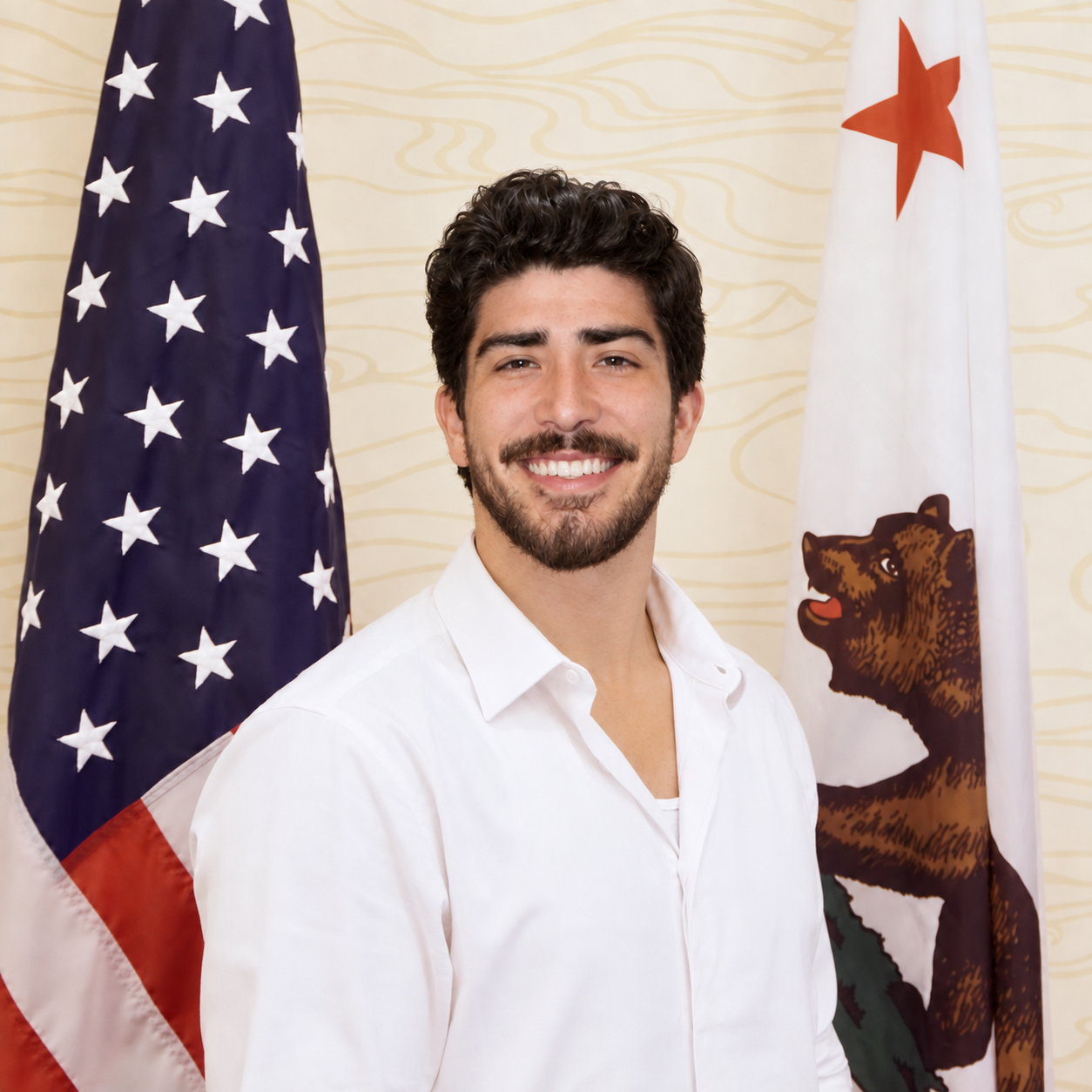
Getting to CAYRF should be easy. Finding the right information should be straightforward. And the systems behind the website should help the team understand what is working.
On October 19, Tim Yslava and Codex, an AI coding assistant, worked through those details: connecting the updated site to cayrf.org, adding website measurement, strengthening email authentication, and cleaning up the publishing foundation.
The statewide infrastructure roadmap has also received approval. CAYRF now has a clearer direction for the next phase, alongside a more dependable digital home. Here’s what changed—and what it does for the organization.
Same address. A new chapter.
The updated website is now live at cayrf.org and www.cayrf.org, with working HTTPS. The address people already know leads to the current site, its inquiry forms, and the local chapter directory.
That protects the value of every existing link, bookmark, and printed web address. CAYRF can move its website forward while keeping its familiar front door.
We kept our history, too. The footer links to an archived version of the old website so readers can see where we came from. The homepage now uses the approved group photograph from About, replacing an image the organization could no longer use.
See what happens after the click.
Google Analytics 4 is installed on approved public pages. A separate, private website report records daily totals for page views, selected action clicks, chapter links, donation handoffs, and successfully saved inquiries.
Tagged links are ready for Instagram, Facebook, email, QR codes, and the donation path. When used, they help show where visitors arrived from and which website actions followed.
For CAYRF, that creates a way to spot friction. If people reach a page but struggle to take the next step, the team has something concrete to investigate. If an inquiry is saved successfully, it can be counted separately from a button click.
The definitions matter: activity totals do not count unique people, an inquiry does not complete membership, and a donation handoff does not confirm payment. Useful numbers start with an honest description of what they measure.
Better signals. More connections to finish.
The website foundation is in place. Bringing impressions, clicks, click-through rates, and leads together across search, social platforms, and email still requires those providers’ reporting data. Those feeds are not yet combined in the website report.
The Google tag is deployed; event receipt in Analytics Realtime and the lead key-event setting still need verification. Search Console verification and linking remain open. Constant Contact’s native email tracking and bot-click filtering are enabled, but its campaign reports still need to be connected.
Completing those checks will help CAYRF build a fuller picture. Today’s release establishes the tools; traffic growth and additional inquiries are outcomes to measure over time.
Give CAYRF’s email a stronger identity.
Google Workspace showed DKIM authentication active, and Constant Contact confirmed authentication of cayrf.org. Constant Contact now uses the organization’s verified domain address as its default sending and reply address.
We also cleaned up SPF sender authorization, activated DNSSEC, and published a DMARC reporting policy. This gives receiving email systems more information to check whether a message is authorized to use CAYRF’s domain.
The benefit is stronger authentication behind everyday communication. Inbox placement is never guaranteed, and authentication cannot prevent every impersonation attempt.
DMARC is in monitoring mode; it does not yet request rejection or quarantine of failing messages. The next steps are to review reports, test real outgoing message headers, and confirm remaining legacy senders before enforcement. No campaign or test email was sent during this work.
Measure activity. Respect people.
The first-party report stores daily totals without names, contact details, form answers, or visitor identifiers. The application keeps contact information out of Google Analytics event payloads and disables advertising features.
Do Not Track, Global Privacy Control, and the browser-local opt-out stop measurement. The privacy page explains these choices and Google’s analytics cookies. Form protections and response headers were also strengthened.
CAYRF can learn about website activity while keeping inquiry handling and communication permission distinct. Newsletter consent remains optional and separate. Providing a phone number does not subscribe someone to text messages.
Make the public record easier to find.
Blog addresses, sharing metadata, article information, and the sitemap now point consistently to cayrf.org. Public articles are eligible for indexing; administration and integration setup routes stay excluded.
We also recorded clear publication standards: useful topics, accurate credit, relevant evidence, and a clear distinction between completed work and future plans. Readers get a more consistent account of CAYRF’s work, and search systems get clearer information. Rankings and AI-search inclusion remain outside our control.
Tim + Codex. Practical work. Clear responsibility.
Tim directed the project, made the content and account decisions, and created the Google Analytics web stream. Codex assisted with implementation, configuration, and technical checks. That is practical AI in action: human direction turned into work people can inspect and use.
Tim’s contribution connects business leadership with civic leadership through specific responsibilities: setting priorities, making account decisions, preserving communication choices, and following through on verification. His profile and operating experience explain the business background behind that approach.
Today’s progress is concrete: the updated site is home at cayrf.org, website measurement is installed, email providers are authenticated, and publishing has a clearer standard. Finish the checks. Learn from real use. Keep improving the experience. That is how this work becomes useful to the organization and the people trying to reach it.
Roadmap approved. The next phase has a direction.
CAYRF has approved the statewide infrastructure roadmap. That gives the next phase an agreed direction: connect the organization’s existing statewide membership foundation with participating chapters’ systems through clear responsibilities, permissions, and consent.
Approval is a planning milestone. The connected chapter databases, statewide messaging tools, campaign access, and AI workflows still need implementation and verification; they have not become live features through this release.
The work ahead is to turn that approved direction into tested connections, with participating chapters and human responsibility built into the process.