Stay & Build, Put to Work: A Stronger Digital Foundation for CAYRF
October 6 brought practical improvements to how people connect with CAYRF—and another step toward a more coordinated statewide organization.
Stay & Build is a commitment to California’s future. On October 6, the California Young Republican Federation took another practical step toward making that commitment easier to act on: improving the path from discovering the organization to finding a local club and staying connected.
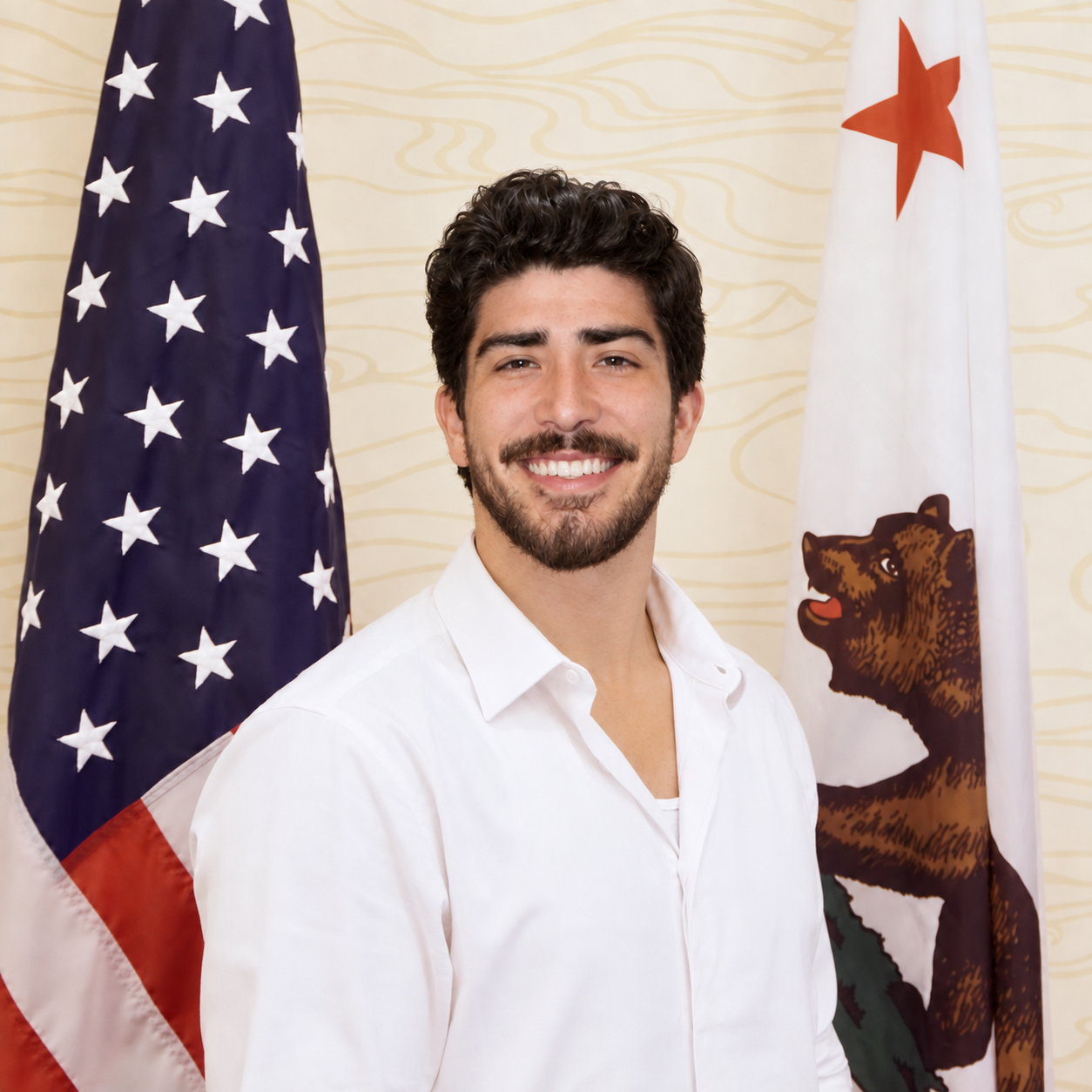
Led by Tim Yslava, today’s hands-on website work added a guided signup experience, location-based chapter suggestions, more structured contact information, and an on-site merchandise catalog. These are concrete improvements to the public website and the processes behind it.
Their longer-term importance comes from how they fit together. A stronger organization needs a dependable way to welcome people, understand where they want to participate, and support the local leaders who turn interest into involvement.
A clearer first step into CAYRF
The main Find Your Club and Donate actions now lead into a two-step form. Visitors first provide their name, email address, and cell phone number, then their city, state, ZIP code, and county. A mailing street address and apartment or unit are optional.
After a successful submission, visitors see suggested clubs based on their city and county, with chapter artwork and a link to connect. The statewide crest provides a fallback where a chapter-specific logo is unavailable. People can also browse all chapters, and locations without a confirmed match receive a path to the statewide team.
The donation path continues to the existing donation destination after signup. A club inquiry remains an expression of interest: it does not automatically enroll someone as a member or confirm that a chapter has contacted them.
The immediate value is clarity. Someone who wants to participate has a more useful next step than a general invitation to get involved. The chapter directory remains available directly for anyone who wants to explore it.
Information that can support real follow-up
Today’s work also added a Constant Contact integration and city, state, and county tagging to the contact-sync process. These details give future follow-up useful local context while preserving the visitor’s communication choices.
The website saves a submission and its pending sync record together. If the external service cannot accept it immediately, the website retains the record for a later retry. That is an important foundation for reliability: a visitor’s successful website submission should not depend entirely on another service being available at that moment.
The account connection has been configured, and the location-tagging workflow has been implemented. A successful end-to-end check with a real email address still needs confirmation. We are treating that verification as part of finishing the process, rather than claiming that every contact and tag has already arrived successfully.
The practical opportunity is to reduce repeated administrative work and make local follow-up easier to organize. The next measure of success is whether a person actually reaches the right community.
Trust is part of the foundation
The signup flow keeps its required Terms & Privacy acknowledgment separate from optional email marketing consent. Providing a cell number does not subscribe someone to text messages. Contact synchronization is designed to preserve existing opt-outs and avoid silently turning a non-subscriber into a subscriber.
These choices matter beyond the form itself. Any future statewide system will need to carry communication preferences and responsibilities with the information it connects. Establishing those distinctions now gives later work a more responsible starting point.
Collecting a record, recommending a club, enrolling a member, and receiving permission to send messages are distinct actions. A useful system should make each one understandable to both the person signing up and the people doing the work.
Bringing the shop onto the site
The CAYRF shop now brings the organization’s Printify product catalog and shopping bag into the website. Visitors can browse real product images, available options, and prices within the same CAYRF experience.
The catalog is available; purchasing is not yet enabled. Stripe setup and payment verification remain ahead before checkout can open. Today’s accomplishment is the working catalog and bag, with the purchasing stage clearly separated.
This extends the brand and merchandise direction into something visitors can explore. Once purchasing is ready, it can provide another way for supporters to participate in CAYRF’s identity. Revenue and completed orders will be outcomes to measure after launch, not claims to make today.
The work behind the progress
Tim’s contribution connects project strategy with implementation: carrying the Stay & Build direction into the website, working through integrations, and keeping the larger organizational purpose attached to the details. Today’s improvements build on his earlier website work and statewide infrastructure roadmap.
The project also builds on Daniel Gober’s contribution to the brand refresh and merchandise vision. CAYRF’s new public presence brings that creative direction together with the systems work needed to make the experience useful.
The value of this work will grow through dependable use. Clear forms, accurate club suggestions, organized records, and honest status messages are the everyday details that help an organization earn trust. More about Tim’s broader work is available at TimYslava.com.
A statewide vision, built step by step
CAYRF already has direct access to membership at the state level. The long-term opportunity is to connect that existing foundation more effectively with the websites, records, and tools used by participating chapters.
The statewide infrastructure roadmap describes a coordinated system with organized records, permission-based access, and clearer handoffs between local and statewide work. Email, text messaging, approved campaign tools, and practical AI assistance could support that system as responsibilities, consent, and human oversight are established.
Update, October 19: CAYRF has approved the statewide infrastructure roadmap. The broader network still requires implementation. The website changes described here do not mean chapter databases have been unified, statewide texting has launched, or campaigns have been granted access. They provide useful building blocks: structured intake, local context, explicit communication choices, and a place to begin.
For participating chapters, the intended benefit is less time reconstructing information and more time welcoming people, developing leaders, and serving their communities. Statewide coordination should strengthen local responsibility and relationships. The companion article on a more connected organization explores that potential in more detail.
What progress should mean next
The next work is concrete: confirm the complete contact-and-tag sync with a real submission, complete and verify payment setup before opening checkout, and learn from chapter leaders what makes a useful local handoff. Broader chapter connections should grow from a small, agreed pilot with clear responsibilities.
Success should be measured in completed connections: an inquiry that reaches the right people, a visitor who hears about a local opportunity, a volunteer who finds a role, and a chapter leader who spends less time on repetitive administration. Today’s release creates a better starting point for that work; those outcomes still have to be earned.
The mission remains helping good people organize, communicate, serve their communities, and put conservative candidates in a better position to win. Technology has value when it supports those people and that work.
October 6 was a meaningful step because the vision became more practical. CAYRF now has additional tools to turn an invitation into a connection—and a clearer foundation for what we build together next.