
Tim Yslava: Building Useful Systems for Business and Civic Life
From TradeLab and Masterline to CAYRF’s digital work, a practical approach to building technology and earning trust.
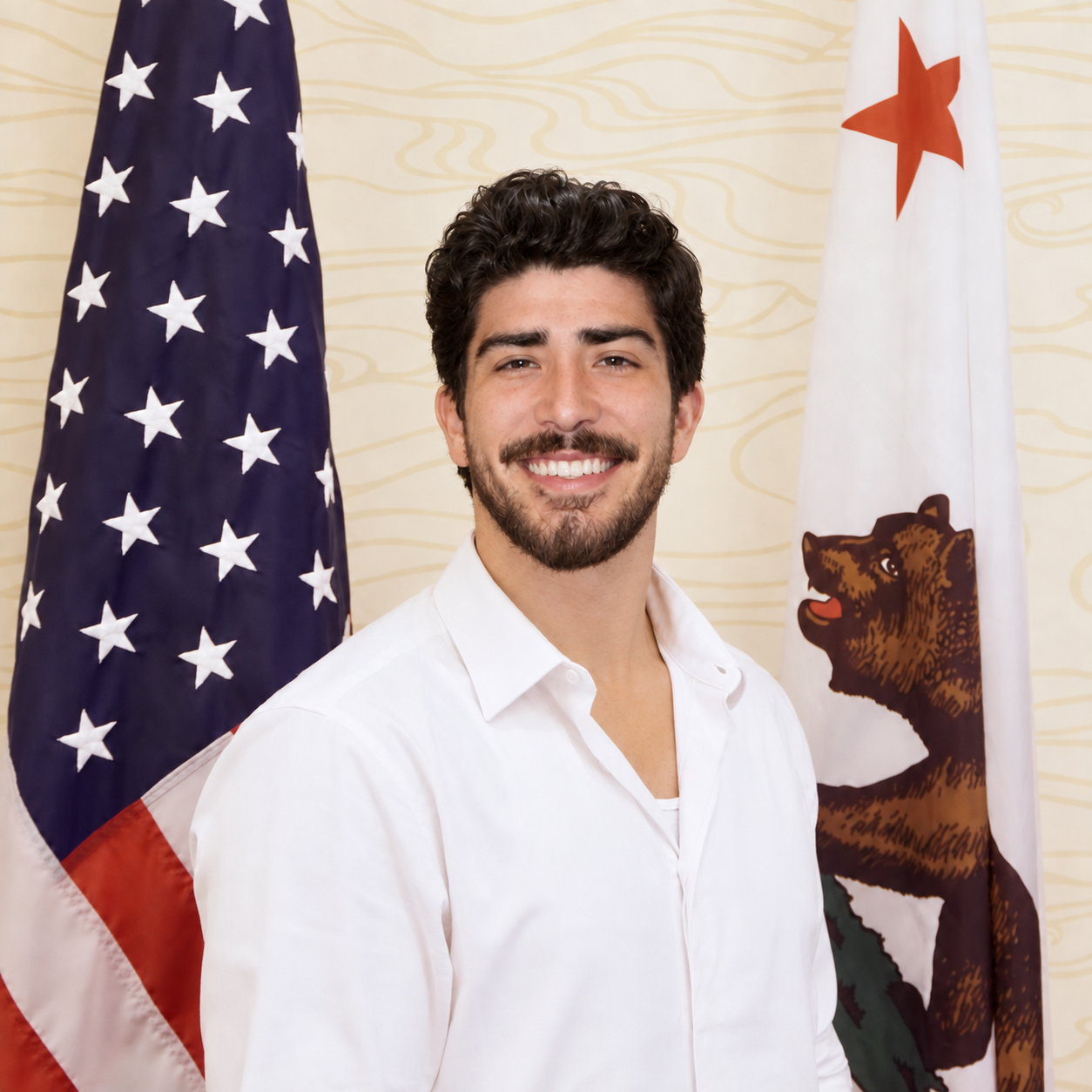
Tim Yslava is a Los Angeles–based founder, operator, and civic builder whose work connects practical AI, business leadership, and civic leadership.
His work connects three areas that often get discussed separately: building technology, operating businesses, and serving communities. The common standard is practical—understand the work, build something useful, take responsibility for the result, and earn trust over time.
A name he grew into
Tim says it took him ten years to figure out how to say his own last name. Today, he loves it: the sound is strong, and it makes him distinctive.
He connects Yslava with the South Slavic word slava, meaning “glory.” That meaning is part of why the name matters to him.
Building practical AI with TradeLab
Tim founded TradeLab, an AI-powered platform that helps traders turn ideas into clear rules, historical tests, paper-trading systems, and user-controlled automation.
The emphasis is on making a process understandable and testable. Users can move from an idea to defined rules, inspect historical behavior, practice through paper trading, and choose whether to automate. The product keeps those decisions in the user’s hands.
TradeLab’s guide to backtesting and paper trading explains why historical tests and forward observation answer different questions. Both have limits; neither is a promise of future trading results.
That approach reflects a broader interest in practical AI: helping people work through complexity while keeping human responsibility attached to the result.
Early experience in financial markets
In his public account of his early trading experience, Tim describes beginning as a teenager and tripling his trading account at 19. He reports taking responsibility for a roughly $260,000 family retirement account at 20 and later growing its balance to more than $1.4 million.
Tim also describes teaching himself to code and developing trading automation for professional clients. That experience helped shape the work that became TradeLab: turning ideas into explicit rules and systems people can inspect and control. The financial figures are his reported history, rather than an independently audited performance record.
Entrepreneurship and family business leadership
Tim also works within his family’s Masterline businesses, connecting field-service and construction experience with practical technology and the systems behind Masterline IQ.
Masterline IQ, or MIQ, is an internal operating system built and used inside Masterline. It is not currently offered for public sale. Its role here is an example of AI in business operations, rather than a claim that a finished software product is available to outside customers.
Tim’s work with AI for business operations focuses on internal processes, including work-order intake and coordination. Business automation has to support the people doing that work, with defined workflows and responsibility for the result.
According to Tim, he helped grow his family’s business revenue to more than six times its starting level over five years. That operating experience sits alongside his work connecting field-service and construction operations with practical technology.
Before joining Masterline, he worked in technology and finance. He developed his approach to operations at Bambee and while interning with private-equity firms, then applied those lessons inside operating businesses where technology has to work for real employees, customers, and vendors.
The setting matters. A system inside a service business has to support work people actually need to complete. Tim brings that operating perspective to his technology projects: start with the people responsible for the work and build around what helps them do it well.
From Los Angeles County to national reach
Tim has helped his family’s business expand beyond its Los Angeles County roots into a national facilities-service organization. A major step was Masterline’s acquisition of National Construction & Repair Company Incorporated, known as NCRC, announced in September 2026.
The Masterline corporate announcement documents the acquisition and the addition of NCRC’s nationwide service network. The combined model pairs Masterline’s direct field capacity in its core Southwest markets with facilities coordination across all 50 states through NCRC.
Tim’s account of his role in the acquisition describes work spanning financial analysis, transaction structure, negotiation, diligence, contract coordination, and integration planning. The acquisition brought a long-standing business relationship into the family group: NCRC had been Masterline’s first customer more than two decades earlier.
That experience connects financial judgment with operating responsibility. The work continues after a transaction closes, through customer handoffs, employee questions, vendor relationships, and the systems that support service delivery.
Bringing that experience to CAYRF
For the California Young Republicans, Tim built the organization’s first private website draft and helped develop the Stay & Build digital direction approved by CAYRF. That initial draft has since become the public website visitors can use today.
The rebrand story explains the updated identity and digital front door. Tim’s contribution also extends to the statewide infrastructure roadmap, approved by CAYRF as of October 19. It sets a direction for connected, permission-based systems while preserving local responsibility and individual consent.
One practical example is the club-interest signup. Its required Terms & Privacy acknowledgment is separate from optional email consent, and providing a phone number does not subscribe someone to text messages. The distinction matters: collecting a record and receiving permission to contact someone are different responsibilities.
The broader system is an approved roadmap, with implementation still ahead for the connected statewide platform. CAYRF already has access to membership at the state level; the planned work would connect that foundation with participating chapters’ systems and workflows.
The infrastructure article explains what connecting the organization would require. Its companion considers what better coordination could contribute to participation, leadership development, and organizational continuity.
Responsibility before greater trust
Across business and civic work, Tim’s approach is straightforward: understand the work, build useful systems, take responsibility for the result, and earn greater trust over time.
His writing connects practical AI and business leadership with civic responsibility. The useful record is specific: what has been built, what responsibility he carried, what he learned, and what still needs to be done.
Read more about his work at TimYslava.com or view his official biography and public record.